Language models that reason about physical processes
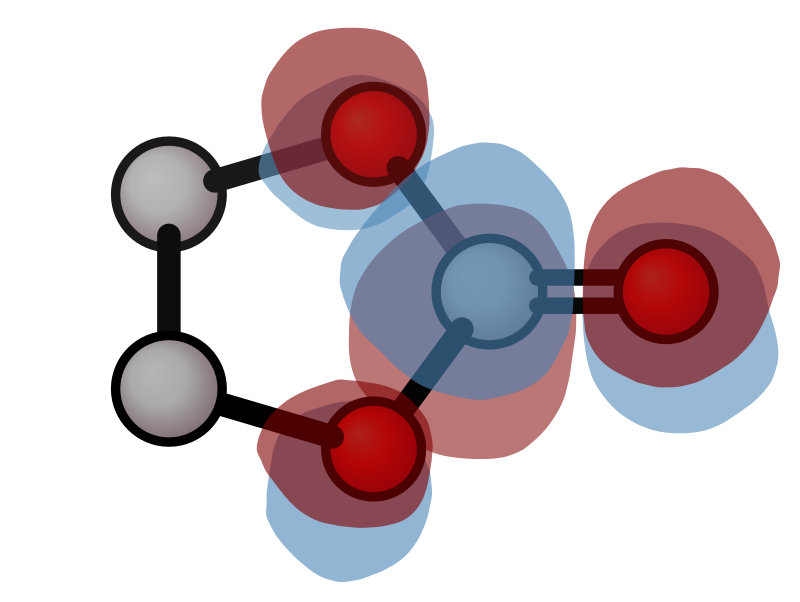
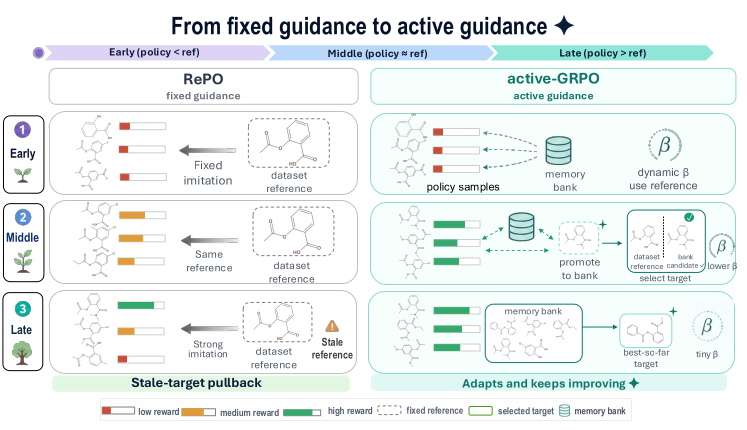
I post-train language models with reinforcement learning whose reward
comes from physics rather than labels: the model reasons through a
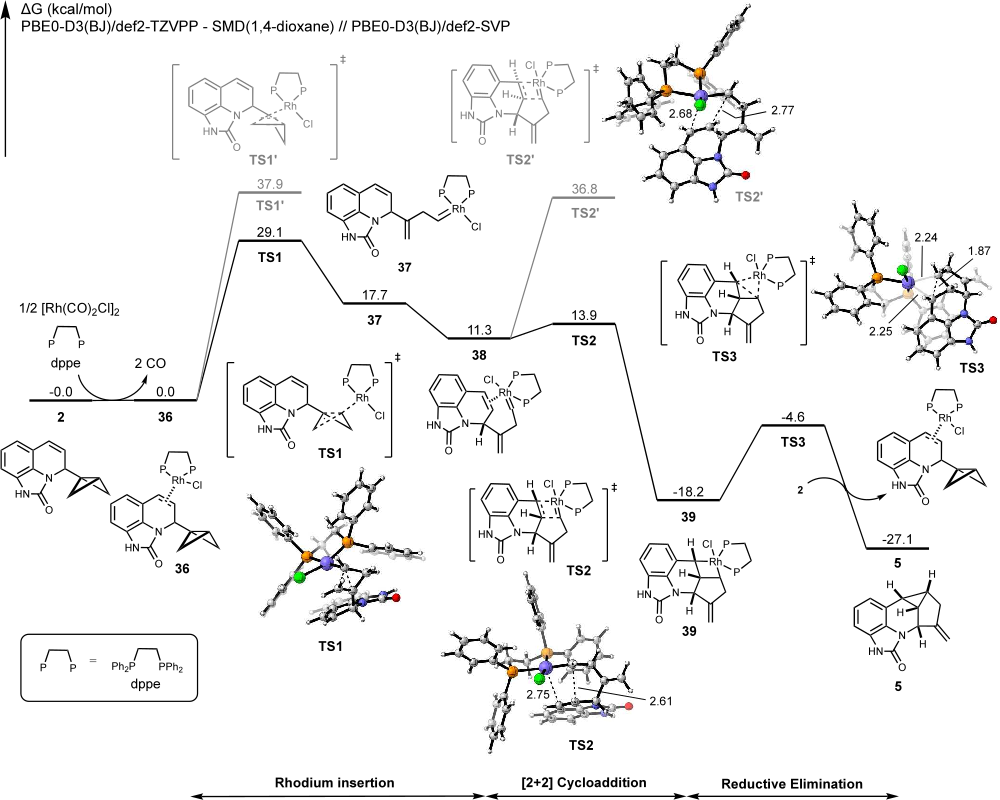
mechanism or a structure, and simulation decides whether the reasoning
holds. Pointed at electrolytes, that turns a months-long search into a
shortlist.
→ the grader is physics, not a label
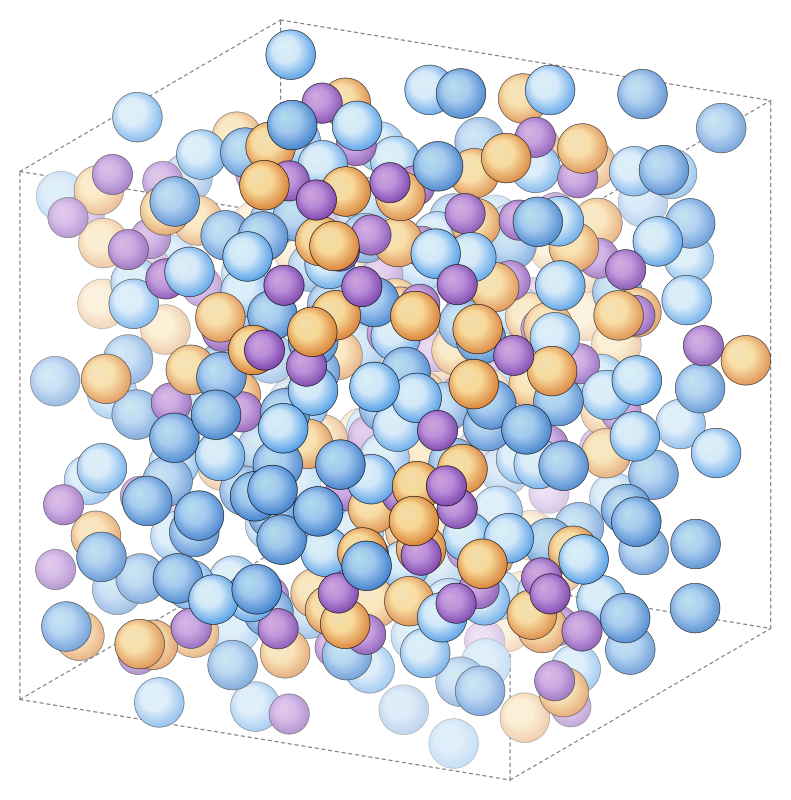
Predicting the properties of mixtures, as mixtures
Almost everything worth predicting is a mixture, and models built on pure
components handle them badly — what matters is how the components sit next
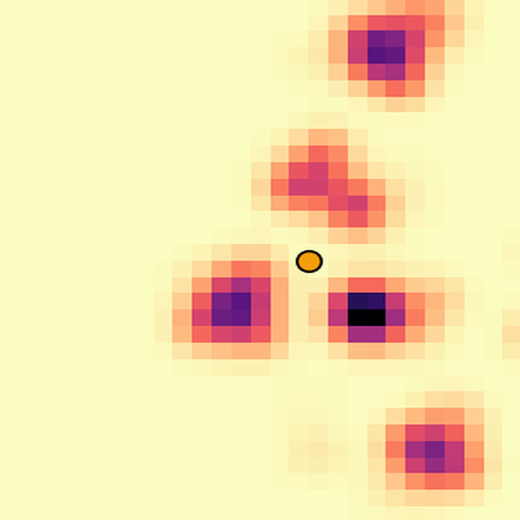
to each other. I learn a representation with composition in the input, so
non-ideal, concentration-dependent behaviour is something the model can
express rather than something bolted on.
→ composition in, property out
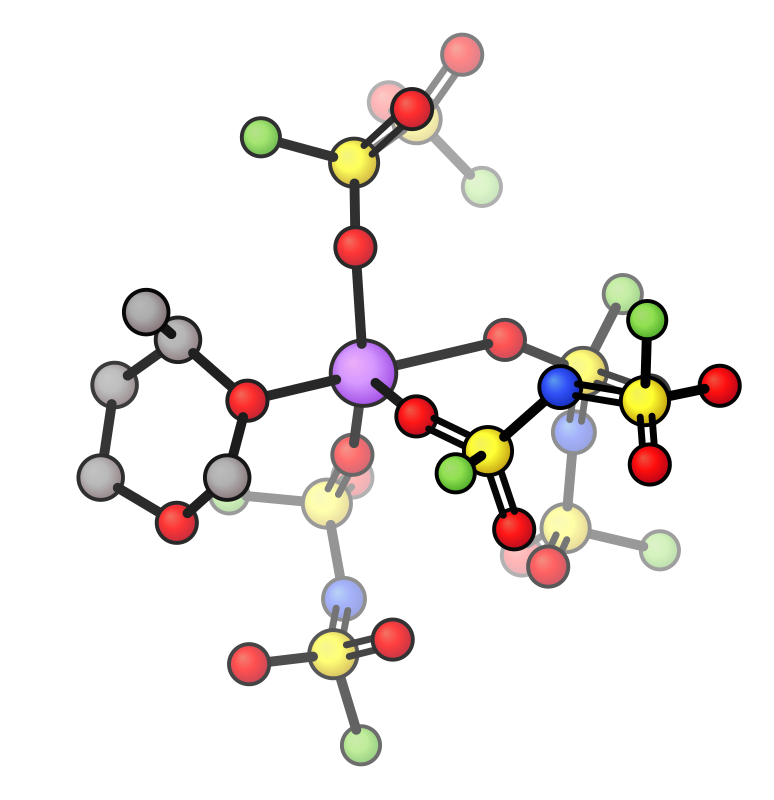
Designing solvation structure instead of guessing formulations
An average coordination number hides the shape of the crowd, and the
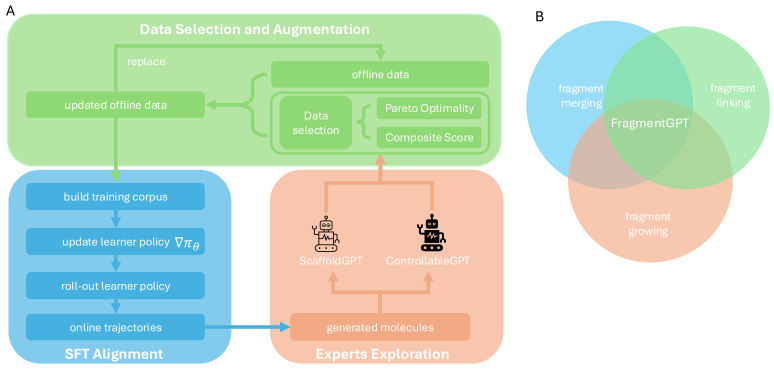
shape is what governs transport and stability. I train generative models
anchored in the solution's statistical mechanics, which invert the search:
describe the solvation structure you want, and the model proposes the
solvents and salts that produce it.
→ design the shell, not the solvent